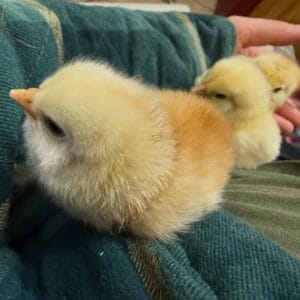
How and why we built our goat and poultry care guides
When we first started putting together our care notes, they were never meant to be public.
They were for us – a giant, slightly unhinged data dump of everything we reference when we’re tired, stressed, or dealing with something at an inconvenient hour. Emergency notes. Checklists. “What did we do last time?” reminders. Links, screenshots, and half-finished thoughts scribbled down so future-us wouldn’t have to start from scratch.
At some point, we realized other people were using them too.
And while that was flattering, it also became clear that our system made sense only if you lived in our heads. So we did what any reasonable people would do and reorganized the whole thing.
What the guides are (and aren’t)
We rebuilt our goat and poultry care guides into clearer, step-by-step resources that are (hopefully) easier to follow – especially when you’re already overwhelmed.
They include:
Things we’ve actually dealt with
Things we actively try to avoid dealing with
Things we’d love to deal with someday, but haven’t yet
Some sections are very detailed. Others are lighter – not because they don’t matter, but because we’re still learning.
This is very much a living resource. It will keep changing as we learn more, test new approaches, and inevitably get humbled by animals doing what animals do.
Why we say “ask your vet” so much
You’ll notice we say “talk to your vet” a lot. That’s intentional.
Having a good veterinarian is critical, and no website – including ours – should replace hands-on diagnostics, prescription treatment, or emergency care. We share what we do on our farm, based on real-world experience, but we’re careful not to turn that into medical advice.
(Also: we’d really prefer to avoid legal trouble)
Why the guides are free
We believe practical, experience-based information should be accessible – especially when you’re new, stressed, or trying to do right by your animals without wading through a science dissertation.
So we keep these guides free and publicly available.
That said, maintaining them takes real time, real testing, and real feed bills. A few people asked if there was a way to support the work behind them, so we quietly added an optional support button to the bottom of our care guide hubs.
Contributions are not tax deductible and do not represent a charitable donation. They simply help offset the cost of keeping these resources updated and accessible.
No pressure. Truly.
Help us make them better
If you’ve taken a look through the guides, we’d love your input:
What felt missing?
What were you expecting to see?
What goat or poultry topic do you wish someone would explain plainly, without turning it into an academic paper?
These resources are built from real questions and real experience, and they’re better when they grow that way.
We’re glad you’re here – whether you’re reading, learning, or just poking around.